As cyber threats evolve at lightning speed, many users are starting to ask the same question:
“Do I still need antivirus software in 2026?”
With built-in protections in Windows and macOS, plus safer browsers and automatic updates, it’s easy to assume traditional antivirus is no longer necessary.
But the reality is this:
Antivirus software hasn’t disappeared — it has evolved.
And in 2026, modern threats make proactive protection more important than ever.
Let’s explore what’s changed in the cybersecurity landscape, what built-in security still misses, and why antivirus remains essential today.
The 2026 Threat Landscape: Smarter, Faster, More Scalable
Cybercrime is no longer driven by lone hackers. Today’s attackers operate like businesses, using automation and AI-powered tools to target everyday users at scale.
In fact, global cybercrime costs are projected to exceed $10.5 trillion annually, making it one of the largest economic threats worldwide.
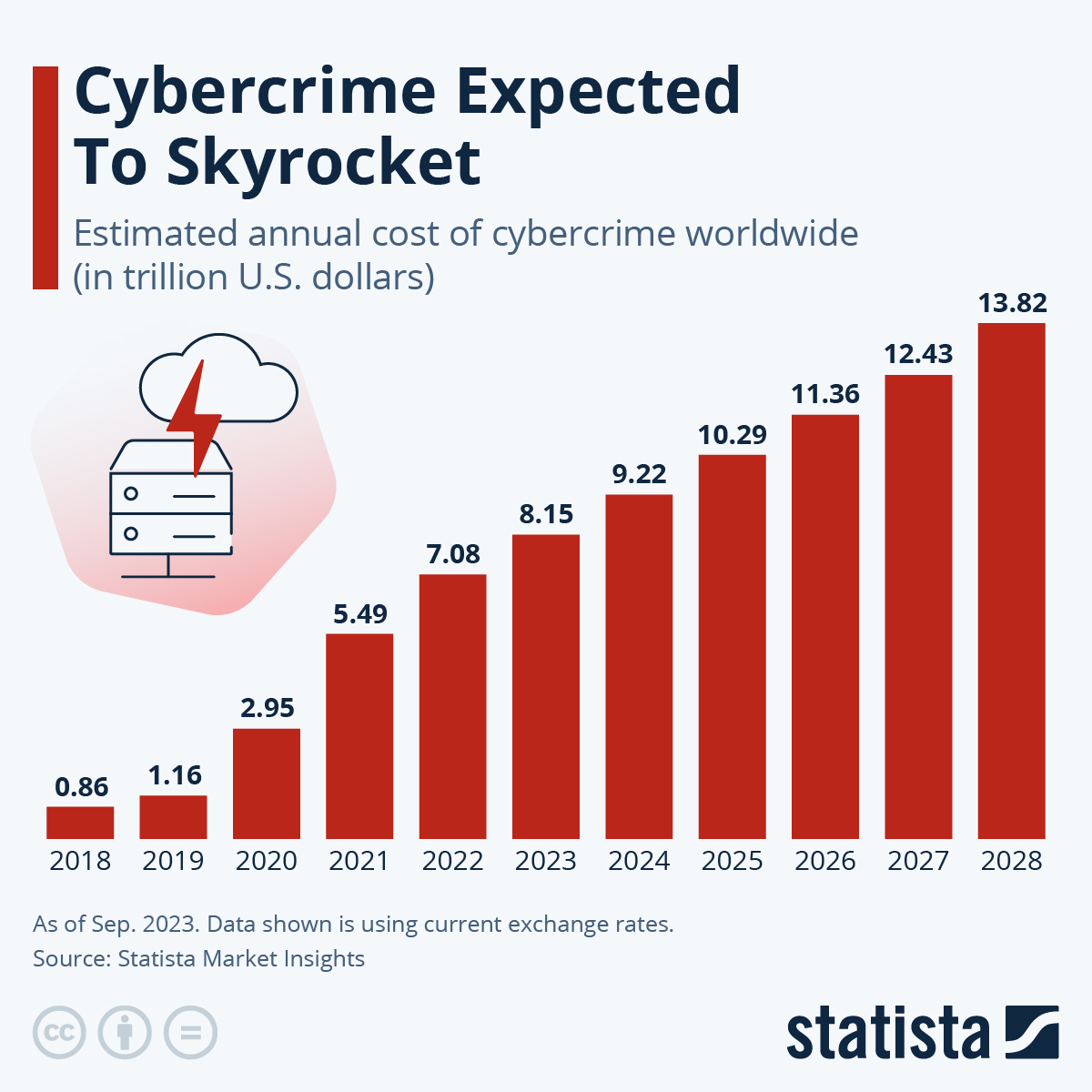 You will find more infographics at Statista
Key trends shaping the 2026 threat landscape include:
AI-Powered Attacks
Artificial intelligence is now used to generate convincing phishing emails, mimic voices, and even create malware that adapts in real time to evade detection.
Ransomware-as-a-Service (RaaS)
Criminal groups sell ransomware kits to non-technical attackers, enabling widespread attacks with minimal skill.
Zero-Day Vulnerabilities
Even secure operating systems aren’t immune. Hackers exploit unknown vulnerabilities before patches are released.
Cross-Platform Targeting
Mac and mobile devices are increasingly targeted by spyware, credential stealers, and crypto-miners.
Built-In Security Helps — But It Isn’t Complete Protection
Modern operating systems offer basic defenses, but they come with important limitations.
Built-in tools often fall short in areas such as:
- Emerging malware detection (new threats don’t match known signatures)
- Advanced phishing protection
- Ransomware rollback and recovery
- Identity and privacy safeguards
System-level security is a good starting point — but most cybersecurity experts recommend a layered approach.
That means combining built-in protections with dedicated antivirus and privacy tools for full coverage.
Modern Antivirus Software Has Evolved Beyond “Virus Scanning”
Today’s antivirus is no longer just a tool that scans files once a week.
Modern solutions like UltraAV are lightweight, AI-driven, and designed for real-time protection across devices.
Modern antivirus protection includes:
Real-Time Threat Detection
Behavioral monitoring helps block malware before it can install — even if it’s never been seen before.
Anti-Phishing and Web Protection
Stops malicious links, fake shopping sites, and credential theft attempts.
Ransomware Defense
Detects suspicious file encryption behavior and blocks ransomware in action.
Identity and Privacy Protection
Helps safeguard personal data, passwords, and sensitive accounts.
Automatic Updates and Vulnerability Reduction
Keeps apps and systems patched to reduce exploit risk.
Antivirus software has become a complete digital safety net — not just a virus scanner.
The Human Factor: Still the Weakest Link
Even with strong security tools, many breaches happen because of one simple mistake:
A user clicks a malicious link.
Phishing and scams exploit trust, urgency, and human error — and they remain one of the most common attack methods.
Antivirus software adds a crucial safeguard by detecting dangerous downloads and blocking malicious websites before users even realize there’s a threat.
AI vs. AI: The New Cybersecurity Arms Race
In 2026, both attackers and defenders rely on AI.
That means protection must be predictive, not just reactive.
Modern antivirus tools increasingly use AI to recognize suspicious patterns early — helping stop threats before damage occurs.
Who Needs Antivirus Software in 2026?
The short answer: anyone who uses the internet.
No matter your lifestyle, the risk is real:
- For individuals: Protects financial information, social media accounts, and digital wallets from phishing and malware.
- For families: Shields kids from unsafe sites and unwanted downloads.
- For professionals: Secures confidential work files and prevents ransomware disruption.
- For travelers: Defends against compromised Wi-Fi networks and credential theft abroad.
Interestingly, as reported by Security.org, only about 63% of PC users report using third-party antivirus protection — even as threats continue rising.